
Electrolytes for Event Horses: The Overlooked Key to Hydration, Performance and Recovery

Apr 15

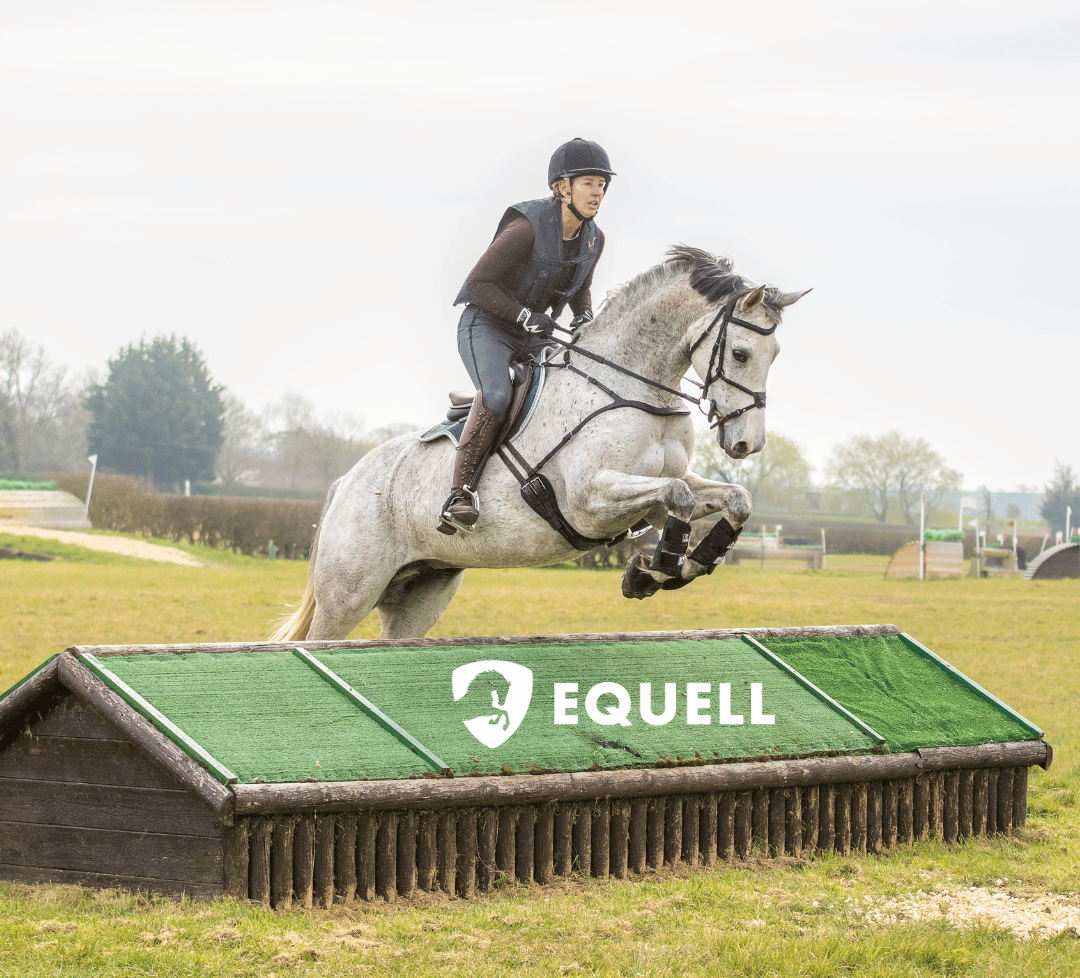
Event horses are asked to deliver across three very different phases - precision in dressage, power in show jumping and sustained athletic effort across country. It’s a unique demand that places significant strain on the body, particularly when it comes to hydration and electrolyte balance.

Yet electrolytes are often only considered after your horse has crossed the finish line. In reality, their role begins long before a horse leaves the start box.

How Much Do Event Horses Actually Lose?

Sweating is the horse’s primary cooling mechanism and the volume lost can be substantial.

Research suggests:
  • horses can sweat 5–7 litres per hour during moderate work
  • this can increase to 10–15 litres per hour during more intense effort
  • prolonged exercise can result in 20+ litres of fluid loss over the day

    Each litre of sweat carries electrolytes with it, meaning losses quickly accumulate across warm-up, cross-country and recovery. As highlighted by Iowa State University Extension and Outreach:
    “The sheer volume of sweat horses produce causes substantial electrolyte losses, particularly sodium and chloride."

    In a sport where margins are tight, even small physiological imbalances can have a noticeable impact on performance and recovery and so it is important not to overlook supplementation with balanced electrolytes.

Salt Requirements Increase with Workload


At maintenance, a 500 kg horse requires around 50 grams of salt per day. However, once a horse is in regular work, this requirement increases significantly, up to 120g of salt for horses in hard work!

During periods of sweating, daily salt needs can rise sharply depending on workload, duration and environmental conditions. For many event horses, forage and salt licks alone are unlikely to meet these increased demands, particularly during the height of the season and so supplementation is needed.
Quick Check: Could Your Event Horse Need More Salt?
• Fading energy or stamina on cross country
• Slower recovery after work or between phases
• Not drinking well after exercise
• Dullness or lack of sparkle in performance
• Licking salt, soil or stable surfaces and/or chewing wood
• Muscle tremors

All of these signs may indicate your horse needs extra salt in their diet. They can also be indicators of other (sometimes serious) conditions so if you have any concerns, always consult your vet.

When Should You Feed Electrolytes?

A common misconception is that electrolytes are only necessary after exercise. In reality, by that point, the horse has already lost fluid and essential minerals.

Research shows that electrolytes fed ahead of exercise can be absorbed and available within the body during work, helping to support hydration as sweating begins. Rather than “chasing losses”, feeding electrolytes in advance helps prepare the horse for the demands ahead.

Post-exercise feeding still plays an important role in restoring balance but it is only part of a more complete strategy that considers what happens before, during and after work.

Why Water Alone Isn’t Enough

It’s natural to focus on water intake after exercise, but hydration is not just about fluid, it is about fluid balance. Electrolytes regulate how water is absorbed and retained within the body. Without them, water may pass through the system without being effectively utilised.

Studies have also shown that first offering horses a small amount of warm, salt water can encourage greater voluntary water intake, supporting more effective rehydration.

Do Electrolytes Cause Ulcers?

There is a long-standing perception that electrolyte supplementation may contribute to gastric ulcers. However, much of this concern stems from studies that do not reflect typical feeding practices.

In one commonly referenced endurance study, horses were administered very high levels of electrolytes - close to 500 grams - in water (not feed) over an 8 hour period. This is very different to feeding balanced levels in feed, where fibre helps to natural buffer the stomach lining.

When used appropriately, balanced electrolyte supplementation alongside forage is widely considered safe. As always, feeding strategies should be tailored to the individual horse, and veterinary advice sought where necessary – particularly if your horse is undergoing treatment for ulcers.

The Gut Connection
Electrolyte balance does not operate in isolation. The digestive system (particularly the hindgut) plays a central role in fluid absorption and nutrient utilisation. Sodium chloride contributes to normal digestive function by supporting gastric acid production and maintaining fluid balance within the digestive system.

For event horses, where travel, stress and routine changes are common, maintaining digestive stability becomes increasingly important. A compromised gut environment can influence how effectively the horse manages both hydration and recovery.

Supporting gut health with prebiotic fibres and electrolytes therefore supports the systems that underpin performance.

Supporting Recovery Between Efforts

Event horses are often required to perform across consecutive phases or multiple days, making recovery a critical part of performance management. Electrolyte replacement is one piece of the puzzle, but how efficiently the body restores hydration is equally important.

Research published in Equine and Comparative Exercise Physiology found that:
“Electrolyte supplementation resulted in faster restoration of hydration status compared with control.”

This highlights the role electrolytes can play not just during exercise, but in helping the horse return to baseline more efficiently afterwards. Alongside this, nutritional strategies that support normal energy metabolism and digestive stability - including adequate B vitamin status and a balanced hindgut environment - contribute to how well a horse recovers, resets and prepares for the next effort.

B vitamins play an important role in how efficiently a horse produces and utilises energy during and after exercise. They are involved in converting nutrients into usable fuel through aerobic metabolism, helping to support stamina and reduce fatigue. Adequate B vitamin status also supports normal muscle function and recovery, helping horses restore energy levels and maintain consistency between training sessions and competition efforts.

The Take-Home Message

Electrolytes are fundamental to supporting hydration, muscle function and recovery in event horses.

Sweat losses during training and competition can be significant, and requirements increase accordingly. Feeding electrolytes only after exercise may miss an important opportunity to support the horse before losses begin.

A more effective approach considers timing, balance and the wider role of the digestive system. Because in eventing, where performance is built across phases and over time, preparation is everything and it starts from within. The margins are small at the top and every little detail matters in achieving the best results.

Equell offer a palatable, gut friendly electrolytes formula that supports muscle function, hydration and recovery through the inclusion of functional nutrients, B vitamins and prebiotic fibres alongside balanced electrolytes. A 2kg bag will last a 4-600kg horse in moderate work approximately 45 days and BE members can enjoy 20% off through the members hub, making it less than 50p per day to supplement your horse with electrolytes.

Not all supplements are created equal! Our daily serving for the above provides 60g of electrolytes. Watch out for smaller serves and low sodium percentages that may seem cheaper per day but do not provide your horse with the same levels of electrolytes or hindgut support.

References
 Iowa State University Extension and Outreach – Electrolytes and the Exercising Horse (accessed 2026) Waller, A. et al. (2007). Electrolyte supplementation after prolonged moderate-intensity exercise, Equine and Comparative Exercise Physiology