
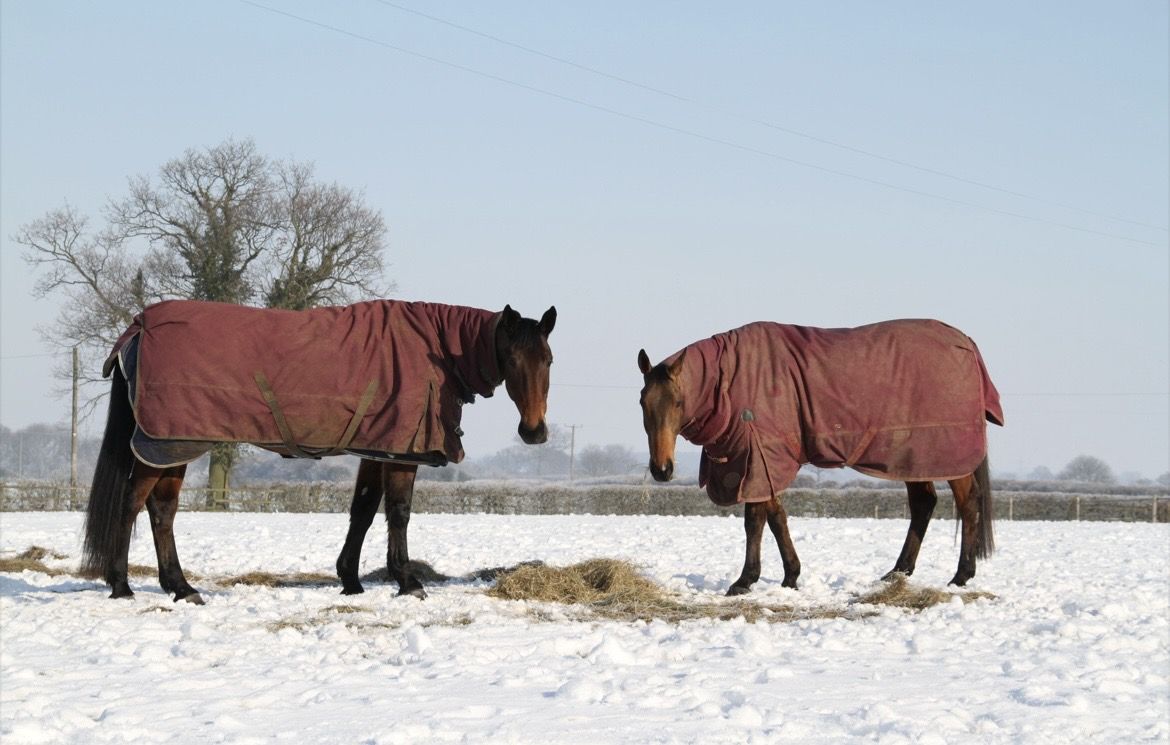
Winter Event Horse Nutrition - in partnership with Baileys Horse Feed
Jan 20
How to keep your horse well fed this winter
Winter’s goal should be simple: to arrive at the start of the new season with a fresh, rested horse in good physical condition, for which good nutrition is key.
While the competition calendar slows, your horse’s nutritional needs don’t disappear. Winter feeding underpins spring performance, helping horses recover from the season while maintaining enough condition and topline to return to work smoothly. Diets may change – but they shouldn’t decline.
If your horse deserves a holiday, he deserves a fully balanced diet to go with it and, as recovery happens at a microscopic level, that depends on providing the correct nutritional building blocks every day. So how do we feed correctly when work is lighter, grass is scarce and horses may be stabled more?
The forage shift
The biggest winter change is the move from grass to preserved forage, usually alongside a reduced hard-feed ration. Grass growth slows or stops and its nutritional value drops, meaning we need to increase preserved forage to maintain fibre intake.
Forage should always form the foundation of the diet, but this transition must be handled carefully. As turnout reduces and grass gives way to hay or haylage, moisture and digestibility drop which increases the risk of digestive disturbances, such as impaction colic, so transitions should ideally happen gradually, over two to four weeks.
Even gradual changes can stress the digestive system and digestive enhancers, such as pre- and probiotics, can be useful to help support the hindgut, particularly for sensitive horses and those that tend to lose weight over winter.
Supporting hydration
Winter colic risk also rises due to:
Adding soaked fibre feeds, like beet pulp, or mashes, increases water intake, while warm water in buckets can encourage drinking and delay freezing.
Hydration in cold weather
The average 500kg horse should consume 25–30 litres of water daily but some horses can be reluctant to drink in really cold weather, increasing the risk of dehydration.
Encourage drinking by:
• Offering warm water (20–35°C)
Encouraging natural foraging
Foraging is essential for both physical and psychological wellbeing. While stabled horses can’t fully replicate grazing behaviour, thoughtful management can help so think about how forage is offered, not just what you are giving.
Ways to encourage foraging:
Providing variety extends chew time, encourages movement and helps reduce boredom, stress and digestive upset. Different fibre sources, like chopped fibres or grass pellets, can help occupy stabled horses and are also useful to top up forage when supplies are limited.
Calibrating the diet
Winter feeding isn’t about cutting nutrition — it’s about adjusting energy intake to match workload. Quality protein intake should also be maintained, to help preserve muscle and topline, and this can be provided by feeds containing sources like, alfalfa, soya or distillers’ grains.
While it’s tempting to assume a horse on turnout and off work doesn’t need feeding but that relies heavily on the nutritional quality of grazing, which is often lacking in key minerals and protein. Many event horses are kept ticking over through winter and for these horses:
Feeds providing which are high in fibre and are useful for providing energy without fizz and can help maintain condition without overloading starch. Balancers play a crucial role when hard feed is reduced, ensuring protein, vitamins and minerals remain adequate without excess calories.
Winter weight-watchers
Winter can be useful for managing good doers.
Keeping condition on poor doers
Poor doers often struggle in winter.
Support them by:
Earlier-cut forage is more calorie-dense and often better suited to horses that drop weight. Winter is also an ideal time to address gastric ulcers or digestive discomfort before spring training begins.
Winter feeding: the big picture
Time off competing should be about recovery and replenishment, not nutritional compromise. With careful winter feeding, your horse can recharge physically and mentally — ready for training, strength-building and a confident return to competition when spring arrives. A little planning now can pay dividends all season long.
For more information on horse feed, follow @baileyshorsefeeds and explore educational content at baileyshorsefeeds.co.uk. Stay tuned to British Eventing for ongoing advice from our partners and industry experts.
The biggest winter change is the move from grass to preserved forage, usually alongside a reduced hard-feed ration. Grass growth slows or stops and its nutritional value drops, meaning we need to increase preserved forage to maintain fibre intake.
Forage should always form the foundation of the diet, but this transition must be handled carefully. As turnout reduces and grass gives way to hay or haylage, moisture and digestibility drop which increases the risk of digestive disturbances, such as impaction colic, so transitions should ideally happen gradually, over two to four weeks.
Even gradual changes can stress the digestive system and digestive enhancers, such as pre- and probiotics, can be useful to help support the hindgut, particularly for sensitive horses and those that tend to lose weight over winter.
Supporting hydration
Winter colic risk also rises due to:
- Reduced movement from increased stabling
- Lower water intake in cold weather
Adding soaked fibre feeds, like beet pulp, or mashes, increases water intake, while warm water in buckets can encourage drinking and delay freezing.
Hydration in cold weather
The average 500kg horse should consume 25–30 litres of water daily but some horses can be reluctant to drink in really cold weather, increasing the risk of dehydration.
Encourage drinking by:
• Offering warm water (20–35°C)
• Feeding soaked forage and fibre feeds
• Using buckets rather than drinkers to monitor intake
• Checking droppings for dryness
Encouraging natural foraging
Foraging is essential for both physical and psychological wellbeing. While stabled horses can’t fully replicate grazing behaviour, thoughtful management can help so think about how forage is offered, not just what you are giving.
Ways to encourage foraging:
- Mix hay, haylage or a little clean straw
- Use small-holed or double haynets
- Offer forage from multiple points
- Feed at different heights (floor feeders, nets, hay balls)
Providing variety extends chew time, encourages movement and helps reduce boredom, stress and digestive upset. Different fibre sources, like chopped fibres or grass pellets, can help occupy stabled horses and are also useful to top up forage when supplies are limited.
Calibrating the diet
Winter feeding isn’t about cutting nutrition — it’s about adjusting energy intake to match workload. Quality protein intake should also be maintained, to help preserve muscle and topline, and this can be provided by feeds containing sources like, alfalfa, soya or distillers’ grains.
While it’s tempting to assume a horse on turnout and off work doesn’t need feeding but that relies heavily on the nutritional quality of grazing, which is often lacking in key minerals and protein. Many event horses are kept ticking over through winter and for these horses:
- Good doers may thrive on forage plus a balancer or vitamin/mineral supplement
- Those needing more support may benefit from fibre feeds with added oil for slow-release calories
Feeds providing which are high in fibre and are useful for providing energy without fizz and can help maintain condition without overloading starch. Balancers play a crucial role when hard feed is reduced, ensuring protein, vitamins and minerals remain adequate without excess calories.
Winter weight-watchers
Winter can be useful for managing good doers.
Key tips:
- Monitor condition regularly using body condition scoring
- Restrict forage to no less than 1.5% of bodyweight, if weight loss is needed
- Choose later-cut, stalkier forage
- Soak hay to reduce soluble sugars and therefore, calories
- Continue exercising, where possible
- Use lightweight rugs to encourage natural calorie use
Keeping condition on poor doers
Poor doers often struggle in winter.
Support them by:
- Rugging appropriately and checking condition daily
- Providing extra forage in the field
- Using fibre-based alternatives such as soaked beet, alfalfa chaffs or grass nuts
Earlier-cut forage is more calorie-dense and often better suited to horses that drop weight. Winter is also an ideal time to address gastric ulcers or digestive discomfort before spring training begins.
Winter feeding: the big picture
Time off competing should be about recovery and replenishment, not nutritional compromise. With careful winter feeding, your horse can recharge physically and mentally — ready for training, strength-building and a confident return to competition when spring arrives. A little planning now can pay dividends all season long.
For more information on horse feed, follow @baileyshorsefeeds and explore educational content at baileyshorsefeeds.co.uk. Stay tuned to British Eventing for ongoing advice from our partners and industry experts.
Baileys Horse Feeds is the Official Feed Partner of British Eventing.
NEWSLETTER
Thank you!
BE Prepared is an initiative of the British Eventing Training Foundation
Copyright British Eventing Ltd & the British Eventing Training Foundation
© 2026
© 2026